Transform Cluttered Spaces into Calm Retreats

In a world that often feels chaotic, our living spaces should be a sanctuary. Yet, many of us find ourselves surrounded by clutter, which can lead to stress and anxiety. Transforming these cluttered spaces into calm retreats is not just a dream; it is entirely achievable with the right strategies. This blog post will guide you through practical steps to create serene environments that promote relaxation and peace.

Understanding the Impact of Clutter
Clutter can have a profound effect on our mental well-being. Studies show that disorganized spaces can lead to increased stress levels and decreased productivity. When our surroundings are chaotic, our minds often mirror that chaos. Here are some key points to consider:
Mental Clarity: A cluttered space can lead to a cluttered mind. When we clear our surroundings, we often find it easier to think clearly and focus on what truly matters.
Emotional Well-being: Clutter can evoke feelings of overwhelm and anxiety. A tidy space can foster a sense of calm and control.
Physical Health: Dust and allergens can accumulate in cluttered areas, impacting our physical health. A clean space promotes better air quality and overall well-being.
Decluttering: The First Step to Serenity
Before you can create a calm retreat, you need to tackle the clutter. Here’s how to approach decluttering effectively:
Set Clear Goals
Start with a clear vision of what you want to achieve. Do you want a minimalist bedroom, a serene home office, or a tranquil living room? Setting specific goals will guide your decluttering process.
Create a Plan
Break down your decluttering project into manageable tasks. Focus on one room or area at a time to avoid feeling overwhelmed. Here’s a simple plan to follow:
Choose a Room: Start with a space that feels particularly cluttered.
Set a Timer: Dedicate a specific amount of time, such as 30 minutes, to decluttering.
Sort Items: Create three categories: keep, donate/sell, and discard. Be honest about what you truly need.
Use the Four-Box Method
This method involves using four boxes labeled as follows:
Keep: Items you use regularly.
Donate/Sell: Items in good condition that you no longer need.
Trash: Broken or unusable items.
Storage: Seasonal or rarely used items that need to be stored away.
By categorizing your belongings, you can make more informed decisions about what to keep and what to let go.
Organizing for Calmness
Once you’ve decluttered, it’s time to organize your space. A well-organized area contributes significantly to a calm atmosphere.
Invest in Storage Solutions
Consider investing in storage solutions that suit your style and needs. Here are some ideas:
Baskets and Bins: These can help keep items contained and out of sight.
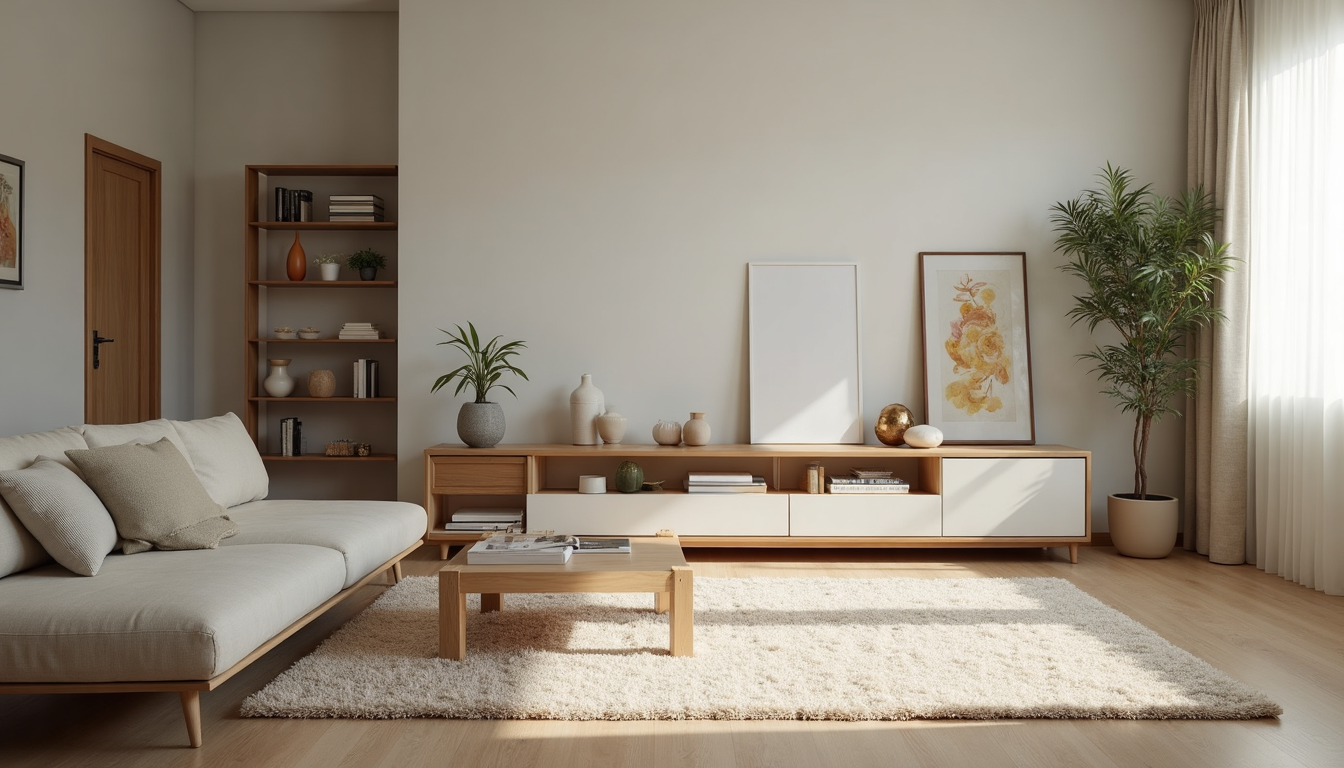
Shelving Units: Use shelves to display items you love while keeping the space tidy.
Drawer Organizers: These can help keep small items sorted and easy to find.
Create Zones
Designate specific areas for different activities. For example, if you work from home, create a dedicated workspace that is separate from your relaxation areas. This separation helps your mind switch between tasks more effectively.
Embrace Minimalism
Minimalism doesn’t mean living without essentials; it means being intentional about what you keep. Focus on quality over quantity. Choose items that bring you joy and serve a purpose.
Infusing Calmness with Color and Decor
The colors and decor you choose can significantly impact the mood of your space. Here’s how to create a calming environment:
Choose Soothing Colors
Colors can evoke different emotions. For a calm retreat, consider using:
Soft Blues: Known for their calming effects, blues can create a serene atmosphere.
Earthy Tones: Colors like beige, soft greens, and browns can bring a sense of grounding.
Whites and Neutrals: These colors can make a space feel open and airy.
Incorporate Natural Elements
Bringing nature indoors can enhance tranquility. Here are some ideas:
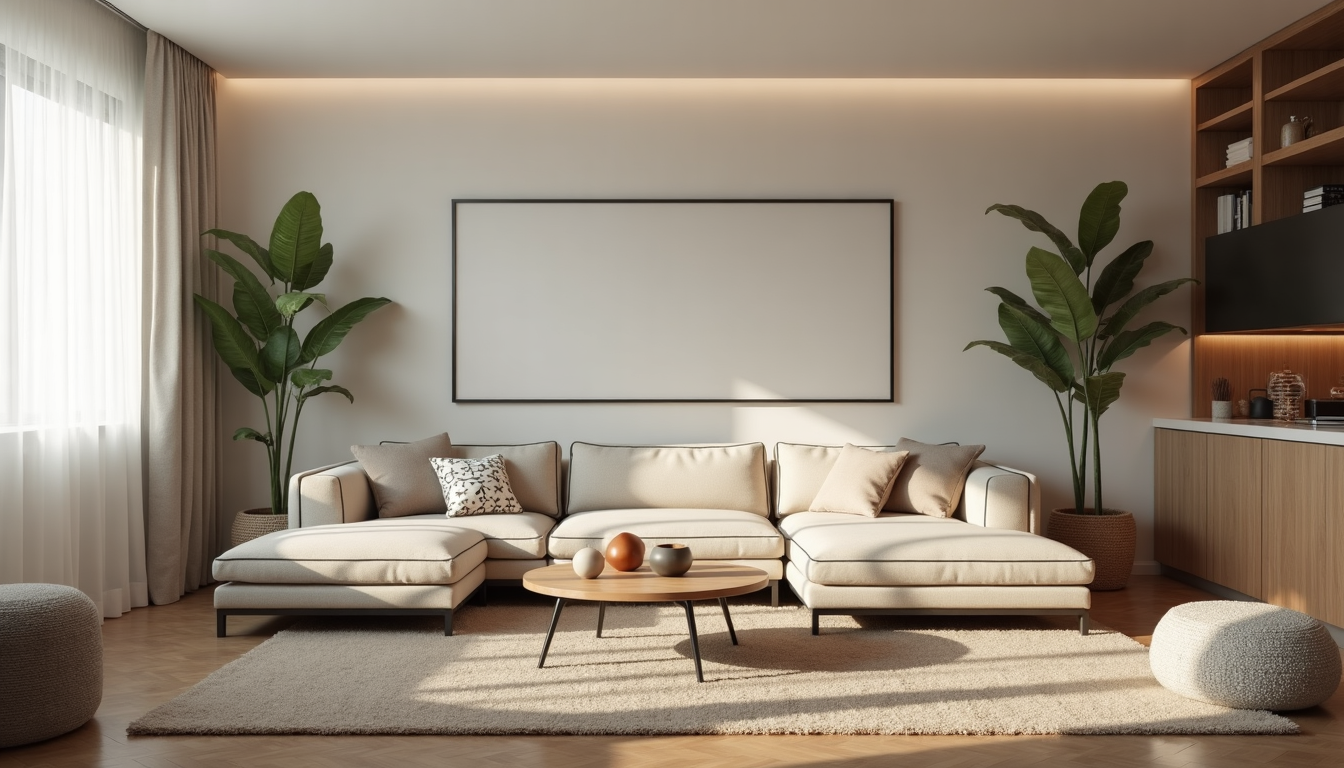
Plants: Adding greenery can improve air quality and create a calming ambiance.
Natural Materials: Use wood, stone, or bamboo in your decor to connect with nature.
Natural Light: Maximize natural light by using sheer curtains or keeping windows unobstructed.
Personal Touches
Incorporate decor that reflects your personality and brings you joy. This could be artwork, photographs, or meaningful objects. Just remember to keep it minimal to avoid clutter.
Creating a Relaxation Zone
Every calm retreat needs a designated relaxation zone. Here are some tips to create your perfect space:
Choose Comfortable Furniture
Select furniture that invites relaxation. Consider a cozy chair, a soft throw blanket, and cushions. Your relaxation zone should feel inviting and comfortable.
Add Calming Scents
Scent can play a significant role in creating a calming atmosphere. Consider using:
Essential Oils: Diffuse calming scents like lavender or chamomile.
Candles: Scented candles can create a warm and inviting ambiance.
Fresh Flowers: The scent of fresh flowers can uplift your mood and enhance your space.
Incorporate Soft Textures
Adding soft textures can make your space feel more inviting. Consider using:
Rugs: A plush rug can add warmth and comfort.
Throw Pillows: Use various textures to create a cozy feel.
Blankets: A soft blanket can make your relaxation zone feel more inviting.
Maintaining Your Calm Retreat
Creating a calm retreat is an ongoing process. Here are some tips to maintain your serene space:
Establish a Cleaning Routine
Regular cleaning can help keep clutter at bay. Consider setting aside time each week to tidy up and organize. This will prevent clutter from building up again.
Practice Mindfulness
Incorporate mindfulness practices into your daily routine. This could be through meditation, yoga, or simply taking a moment to breathe deeply in your calm space.
Reassess Regularly
Every few months, take the time to reassess your space. Are there items that no longer serve you? Is your organization system still working? Regularly evaluating your space will help you maintain a calm environment.
Final Thoughts
Transforming cluttered spaces into calm retreats is not just about aesthetics; it’s about creating an environment that nurtures your well-being. By decluttering, organizing, and infusing your space with calming elements, you can create a sanctuary that promotes relaxation and peace.
Take the first step today. Start with one room, set your goals, and watch as your cluttered space transforms into a serene retreat. Remember, a calm environment leads to a calm mind. Embrace the journey to tranquility, and enjoy the peaceful oasis you create.
Comments